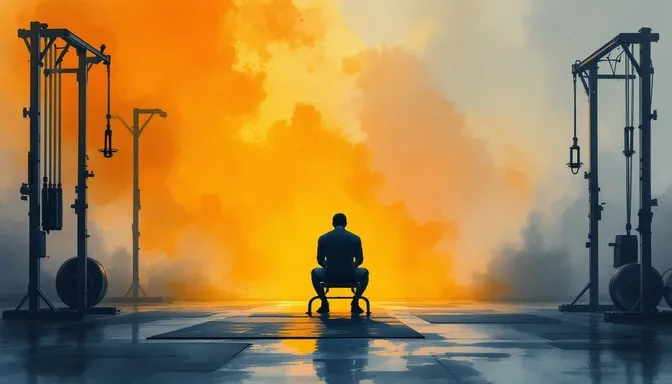
The Sixth Man's Vow: In Praise of Those Who Serve Without the Spotlight
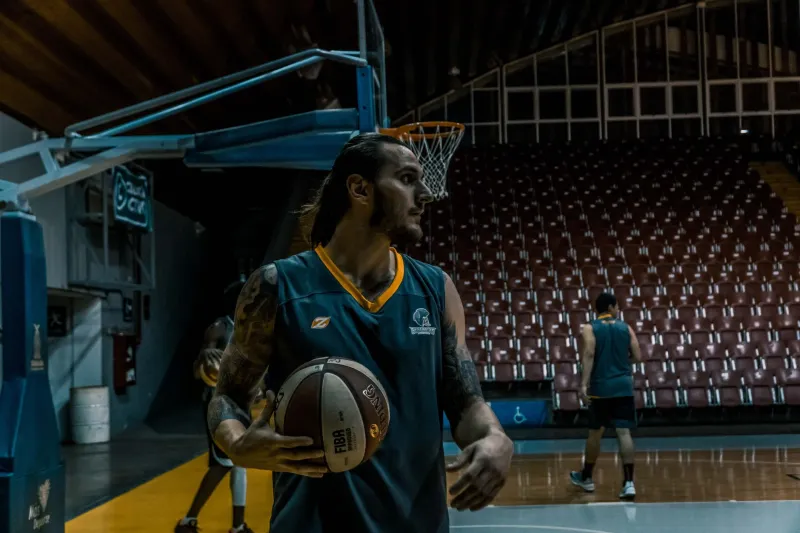
Every cathedral has its stained glass. In American sport, the glass depicts the anointed: the MVP hoisting a trophy, the quarterback carved into a mountainside of endorsements, the slugger whose statue anchors the stadium plaza. Yet anyone who has spent a lifetime inside these temples knows that the building does not stand on its windows. It stands on mortar — unseen, unpraised, poured by hands that never sign the commemorative plaque.
In sport, that mortar is the role player. And if we are honest about what we witness when we watch them, we must admit we are witnessing something close to a spiritual discipline.
The Vow Few Would Take
Monastic traditions have long understood that humility is not a feeling but a practice — a set of daily commitments repeated until the ego surrenders. The Benedictine vow of stability asks a monk to remain in one place, serving a community that may never notice him. Compare this to the career of a long-tenured NBA reserve: the same pre-dawn shooting routine, the same film session, the same readiness held in reserve for a moment that may never arrive.
Consider the journeyman reliever in baseball, summoned in the seventh inning of a forgettable June game, asked to record three outs and vanish. Or the NFL special-teamer, a man whose entire professional identity rests on plays lasting four seconds. These athletes have, in effect, taken a vow. They have agreed to be small in an economy that rewards bigness above nearly everything else.
What the Crowd Knows but Cannot Say
Here is the paradox worth sitting with: fans do not merely tolerate these players. We cherish them. Every franchise has its beloved glue guy, its scrappy reserve whose jersey sells not because of statistics but because of what he represents. Think of the sixth man who spent a decade in one city, or the backup catcher who became the clubhouse's quiet conscience.
Why do we revere them? Perhaps because their presence exposes a truth the highlight reel cannot hold — that a life measured in service may be richer than a life measured in highlight dunks. The crowd's affection for the role player is a form of secret theology. We honor in them what we fear we cannot practice in ourselves: contentment with an unglamorous calling.
The Discipline of Readiness
The role player's defining spiritual act is not the ten minutes he plays. It is the hours he does not. Readiness without guarantee is the essence of his craft. He prepares as though he will start, knowing he will likely not. This is a discipline older than sport — the watchman who keeps his lamp lit, the monk who rises for vigils whether or not anyone else attends.
In a culture that teaches us to demand visibility, to monetize every moment, to treat obscurity as failure, the role player's patience reads almost as protest. He is not waiting to be discovered. He has already accepted what he is. There is a strange freedom in that acceptance, a lightness the superstar — burdened by prophecy and expectation — rarely enjoys.
A Counter-Cultural Witness
American sport is often accused of mirroring our worst impulses: greed, spectacle, the worship of winning at any cost. The accusation is partly fair. But the role player stands as a quiet rebuttal from within the very system that produces the excess. He demonstrates that meaning can be found in contribution rather than consumption of glory.
Watch him celebrate after a win. He celebrates fully — the role player's joy is famously unguarded — yet his joy is not anchored in statistics or contract incentives. It is anchored in belonging. He was needed, he answered, and the whole was greater than his part. That is a complete spiritual arc compressed into a single evening, repeated eighty-two times a year.
What We Might Learn
Most of us will never be the face of anything. We will be colleagues, neighbors, backups, reliable hands. The culture tells us this is a consolation prize. The role player's career suggests otherwise — that the second chair, faithfully held, is not a lesser life but a different and perhaps deeper one.
So the next time the arena rises for the game-winner, notice the man on the bench who sprang up first, arms wide, genuinely delighted for someone else's moment. That leap of joy may be the most spiritually instructive gesture in all of American sport. It asks us a question the scoreboard never will: could you serve this gladly, without needing to be seen?
The role player has already answered yes. Perhaps that is why we cannot stop watching him.