The Prophet in the Striped Robe: What Our Rage at Referees Reveals About Us
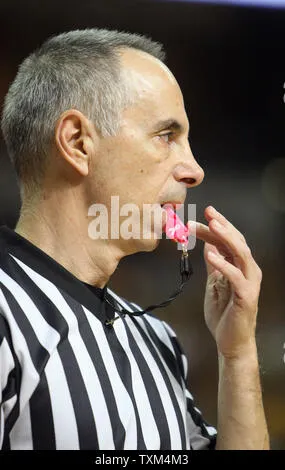
Photo: basketball referee whistle crowd arena, via l450v.alamy.com
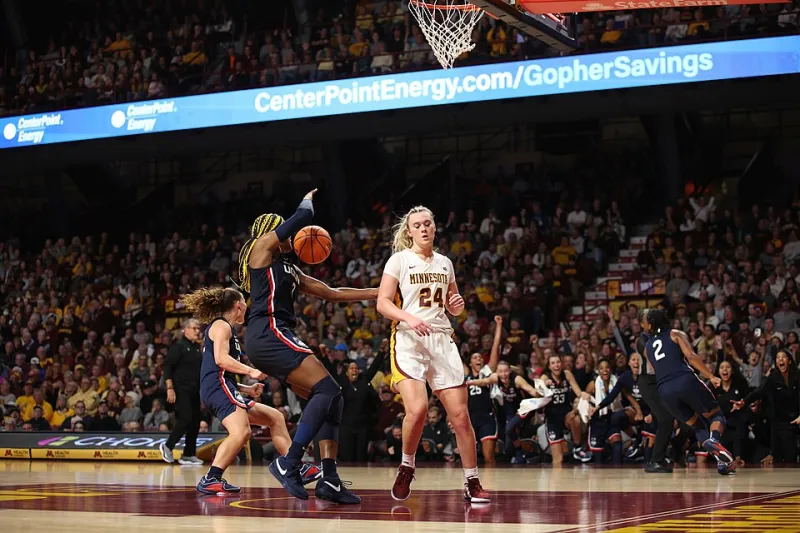
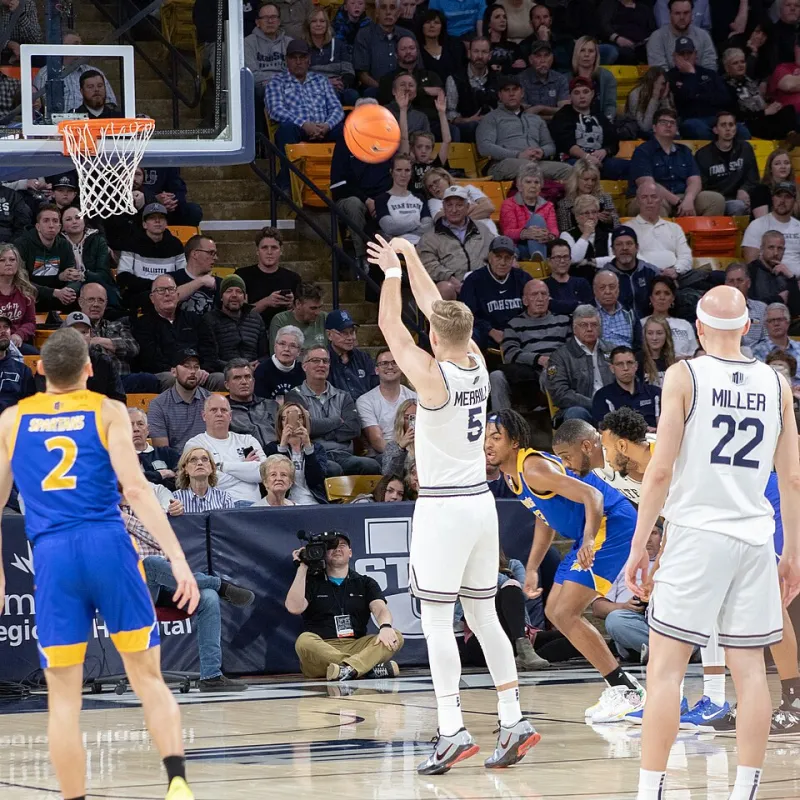
There is a moment, familiar to anyone who has sat courtside or in the upper deck of an NFL stadium, when the entire building turns hostile at once. Sixty thousand people inhale together. Then comes the sound — not quite a boo, not quite a groan — the collective exhale of a crowd convinced it has been wronged.
The target is always the same: the official. The figure in the striped robe, isolated in the middle of the court or the field, suddenly the most despised person in a cathedral of sport.
We tell ourselves the anger is about competence. Missed calls. Botched reviews. The late-game whistle that decides what the players should have decided. But spend enough evenings inside that anger and a harder truth emerges: our rage at referees is rarely about the call itself. It is about the interruption. The whistle is the one voice in American sports that stops our momentum dead and tells us the game does not belong to us.
The Whistle as Interruption
Every religious tradition has a figure whose job is to interrupt. The Hebrew prophets did not comfort kings; they confronted them. John the Baptist did not smooth the road; he demanded a change of direction. The prophetic voice is, by design, unwelcome. It arrives precisely when the crowd is most certain of its righteousness and says: no. Not this. Stop. Look again.
This is the referee's vocation, whether the league office would use such language or not. Consider the NBA official who swallows the whistle on a superstar's final drive, or the one who dares to call a foul against the home crowd's hero in the fourth quarter of a playoff game in Boston or Denver. In that instant, the official performs the most sacred and most hated function in sport: the interruption of the story the crowd has already written in its head.
The fans came for a narrative. The official delivers a verdict. These are not the same thing, and the gap between them is where all our fury lives.
Why We Cannot Forgive the Messenger
Modern sports fandom has quietly adopted a theology of control. Replay review, officiating analytics, the endless discourse about missed calls on every platform — all of it flows from a single assumption: that the game should be perfectly legible, perfectly fair, and ultimately ours to adjudicate. When the whistle blows against our team, it is not merely an error. It is a heresy.
Notice how the language of the discourse has shifted. Officials are no longer simply criticized; they are investigated. Fan bases demand accountability the way prosecutors demand convictions. The referee has become the designated villain of an age that cannot tolerate the possibility that the game — like life — is governed by judgments we did not make and cannot overturn.
And here is the uncomfortable part: the crowd is not always wrong. Officials do miss calls. Leagues do protect stars. The grievance is often legitimate. But the legitimacy of the grievance does not change what the rage is really about. We are not angry that the official erred. We are angry that the official was empowered to decide at all.
The Grace of Being Told No
There is a reason the great spiritual writers insisted that the word "no" can be a gift. The desert monks spoke of the necessity of having one's will broken. The confessional booth exists because human beings need, at intervals, to be stopped and told the truth about themselves. Without interruption, momentum becomes tyranny. The crowd that never hears "no" eventually worships only its own voice.
The referee is the game's built-in conscience. Every whistle — especially the ones we hate — is a small act of repentance imposed on us. The drive stalls. The basket is waved off. The touchdown is overturned. The story we were telling ourselves is corrected, sometimes cruelly, by someone who owes us nothing and answers to a standard higher than our enthusiasm.
Fans who survive long enough learn to make a strange peace with this. The old-timer in the stands who shakes his head at the call but stays in his seat has understood something the talk-radio caller has not: that a game which could never surprise or wrong you would not be worth loving. The possibility of the unjust call is inseparable from the possibility of the miracle.
Learning to Love the Voice in the Wilderness
None of this means officials are beyond criticism, or that leagues should not pursue better officiating. Excellence in judgment is a worthy pursuit, just as integrity in any vocation is. But there is a difference between holding an institution to a standard and demanding that it bend the game to our will.
The next time the whistle stops the building and the crowd rises as one in fury, consider a different response. Not agreement. Not even acceptance. Just the recognition that you are hearing the oldest voice in the arena — the voice that says the game is bigger than your story of it, that judgment belongs to someone other than the mob, and that every great contest, like every honest life, requires someone with the courage to say no.
The prophet was never loved in his own time. But the game cannot go on without him.