Torn Veil of Noise: What the Final Horn Actually Announces
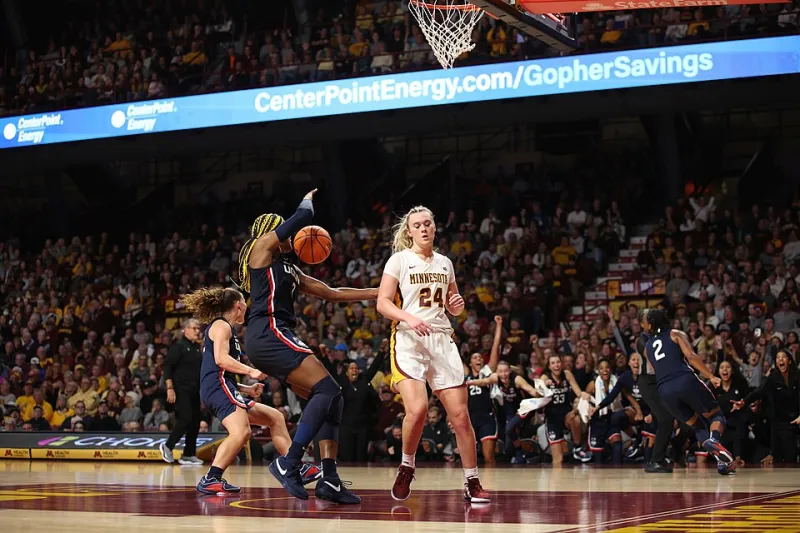
Photo: John Mac, CC BY-SA 2.0, via Wikimedia Commons
There is a moment, familiar to anyone who has sat in the upper deck of an American arena, when the game ceases to be a game and becomes something closer to a verdict. The shot goes up. The ball hangs at the apex longer than physics should allow. And then the horn sounds—flat, indiscriminate, absolute.
Whatever follows, the sound itself has already done its work. It has drawn a line through time.
We rarely think of the buzzer as a sacred instrument. It is cheap plastic and circuitry, the least glamorous object in the building. But listen closely to what happens in the seconds after it speaks, and a different picture emerges—one that connects the final horn to some of humanity's oldest sonic rituals.
The Bell That Cleared the Market, the Bell That Cleared the Soul
Sound has always been humanity's chosen method for marking thresholds. Church bells across medieval Europe did not merely tell time; they consecrated it, announcing the canonical hours at which prayer was due. The shofar of ancient Israel was blown to inaugurate the Jubilee, the great reset in which debts were forgiven and land returned to families. Trumpets toppled the walls of Jericho not through acoustics but through what they announced: an ending, and therefore a beginning.
American sport inherited this vocabulary without ever acknowledging the debt. The buzzer that ends an NBA game, the horn that greets a hockey puck crossing the line, the air raid siren wailing from a Friday night scoreboard in small-town Texas—these are the secular descendants of the bell tower. They exist to divide. Before this sound: striving. After it: rest, or grief, or celebration.
What makes the buzzer remarkable among modern sounds is its finality. We live in an age of ambiguity—soft launches, ongoing negotiations, conversations left on read. The final horn offers none of that mercy or evasion. It is one of the last truly binary pronouncements in American public life.
A Theology of the Clock
Philosophers have long distinguished between two kinds of time. The Greeks called them chronos and kairos: the first is clock time, the relentless tick of ordinary duration; the second is the appointed moment, the fullness of time when something decisive occurs.
Sport is the rare public institution that lets ordinary Americans watch chronos convert into kairos on a nightly basis. For two and a half hours, the game lives in chronos—possessions, substitutions, timeouts, the grind of minutes. But the buzzer is kairos made audible. It announces that this particular assemblage of effort, injury, strategy, and hope will never exist again in quite the same form.
Consider what a buzzer-beater actually is. When a shooter releases the ball as the horn approaches, the sound becomes a kind of witness. The ball is still in flight when time expires, but the shot counts—and so the horn, rather than ending the story, ratifies it. Fans speak of these moments in language usually reserved for the miraculous. Not because a basketball arcing through the air is miraculous, but because the sound has confirmed that something unrepeatable occurred, and occurred in time, within the boundaries of an ordinary evening.
Testimony from the Cheap Seats
Ask fans about the horn and the answers drift, unprompted, toward the confessional.
A man who attended Game 6 of the 2013 NBA Finals in Houston described the final buzzer as "the loudest silence I've ever heard afterward—like the whole building was catching its breath together." A mother in Kansas recalled the horn at her son's final high school game: "It ended fourteen years of our family's life. That sound closed a chapter the way a hymn closes a service."
This is not incidental poetry. It is the ordinary vocabulary people reach for when describing an encounter with finality. The buzzer gives fans permission to feel an ending completely—something our culture otherwise handles badly. Funerals are deferred, retirements are announced by press release, relationships dissolve by drift. The horn does not drift. It arrives.
Why We Need a Sound That Says So
There is a reason the buzzer endures in an era of digital everything. A notification can be swiped away. A final score can be disputed, appealed, litigated. But the horn at the end of the game is accepted, universally and instantly, as the last word.
In that acceptance lies something close to grace. The buzzer teaches us that endings can be clean, that closure is not a therapeutic abstraction but an acoustic event—a sound that falls over a crowd and lets everyone, simultaneously, begin again.
The old bells rang to summon the faithful to prayer. The modern horn summons us to something similar: attention, gratitude, and the strange communal relief of knowing that, whatever happened in the last two hours, it is now complete. When the buzzer sounds and the crowd rises as one, we are not merely leaving an arena.
We are being dismissed—blessed, in a sense—back into the world.